HVAC estimates and invoices that show the homeowner the whole system.
Replacement quotes that explain the sizing, service calls paid the same day, installs billed from deposit to startup. For small HVAC shops.
A replacement quote is equipment, lines, drains, power and startup.
HVAC estimating software earns its keep on the replacement quote, because that is where a small shop wins or loses the job. The homeowner is asking one question: is this system worth fixing, and is this quote honest about the size? A single number for "3-ton system installed" answers neither.
Break it out. The condenser and the air handler or furnace. The line set, sized to the new equipment's spec rather than matched to the old one. The disconnect and whip at the condenser. A secondary drain pan and float switch on an attic install. Thermostat wire if the new equipment needs more conductors. Duct sealing where the ductwork is in scope. Refrigerant recovery on the old system, haul-off, the permit, and the startup.
Group those into sections and the homeowner reads a plan instead of a price. Add photos of the data plate and the rusted drain pan, up to 20 on the document, so the reason for the replacement is on the page. More on presenting a high-dollar estimate.
Put the sizing on the page, not just the tonnage.
Sizing a system by the old rule of thumb (a ton for every 400 to 600 square feet) is how houses end up with equipment that short-cycles and never pulls the humidity down. Homeowners have started to hear this, and the one who asks how you sized it is comparing you to someone who did not.
Jobkore does not run load calculations. Do the Manual J in your tool of choice, then put the result in the estimate: a line or a note that says the house was calculated at so many BTUs and why the equipment fits. The competitor quoting "same size as before" has nothing to answer that with.
The same goes for the refrigerant question on retrofits. With new equipment shipping on R-454B and R-32, whether the existing line set can stay is a real scope decision. Write it on the estimate either way, so the homeowner knows it was checked.
Good, better, best: three estimates in one project.
Most replacement customers want options. Jobkore does not build a tiered menu inside one estimate. Instead, write each option as its own estimate (a single-stage system, a two-stage, a variable-speed heat pump) and keep all three in one project for that job, so the homeowner compares them side by side and accepts the one they want.
You get a notice when the client opens the estimate, so you know when to follow up on a replacement quote rather than guessing. When they accept, the invoice is created as a draft with the deposit on it, ready for you to send.
Watch what the option sheets promise. The federal 25C credit for heat pumps and high-efficiency equipment covered property placed in service through December 31, 2025. A quote template that still mentions it is promising a 2026 customer money that is no longer there. Utility and state rebates vary, so name only the ones you have checked.
Hank knows the traps on an install.
Jobkore includes Hank AI™, an assistant that knows the trade you picked at signup. Tell him the job by typing or with a voice memo: replace an 18-year-old 3-ton split with a heat pump, air handler in the attic, 80 percent furnace coming out. He drafts the estimate in sections, quantities filled in and priced from your catalog first, with the usual waste on flex duct, sheet metal and line set.
He knows the mistakes that cost HVAC shops money: the attic install without a secondary pan and float switch, the 80 percent furnace replaced with a 90-plus and no new PVC flue, mixed brands on a communicating system, duct replacement priced as labor only. Turn on a review before sending and he checks your estimate against that list, adds a missing line if you want it, and never changes your prices.
You read it, fix what you like, and send it. Hank is there to catch the line you forgot, not to replace your judgment on the equipment.
Service calls paid the same day, installs paid in stages.
A no-heat call should be paid before you pull away. Invoice the diagnostic fee and the repair, send it with a payment link, and the homeowner pays by card or bank transfer on their own phone. Stripe charges its standard rate and Jobkore adds nothing on top.
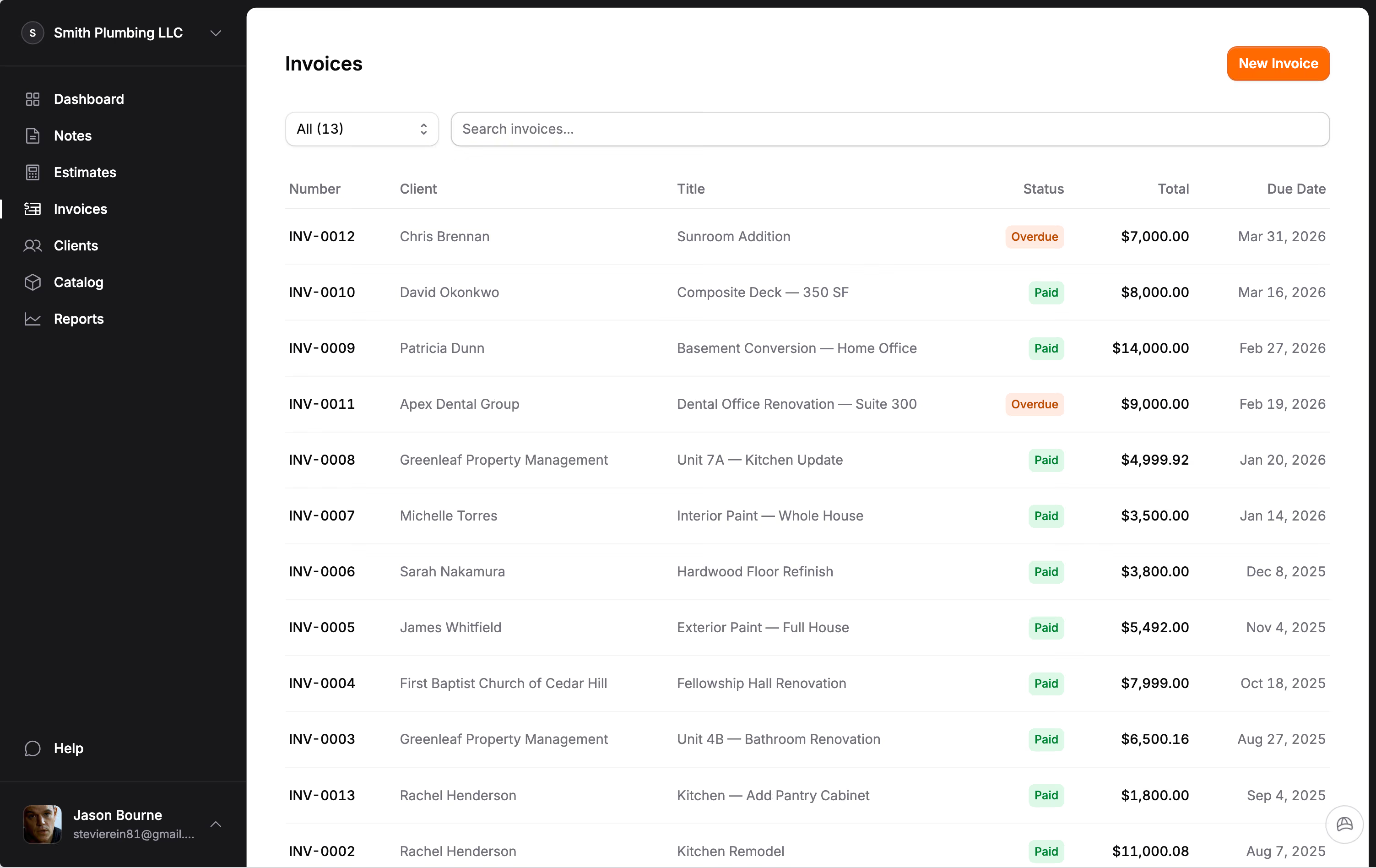
Installs pay in stages: a deposit at signing that covers the equipment, and the balance at startup. New construction adds a rough-in draw before trim. Put the stages on one invoice as a payment schedule, each row named and dated in the order the money comes in. Payments fill the rows in order, the last row is always the balance, and late payments get reminders at 1, 7 and 14 days.
Invoices and payments sync one way to QuickBooks Online, so your bookkeeper is not typing anything twice.
What Jobkore is not.
Jobkore does not dispatch techs, run load calculations, sell a pricebook subscription or bill maintenance agreements automatically. It is estimates, change orders, invoices and payments, built for a solo tech or a small shop, and it runs on your phone in English or Spanish.
Load the HVAC trade pack and your catalog starts with AC, furnace, heat pump and mini-split installs and replacements, ductwork by the linear foot, thermostats, tune-ups, recharges, blower motors, coils and insulation. Change the national-average prices to yours once. Add your own equipment lines by model once, and every replacement quote starts from them.
Related trades: insulation, electrical and plumbing. The price is on the pricing page: one plan, every feature.
Common questions.
Ready to get after it?
Stop fighting your software. Start running your business.
Try for free14-day free trial. No credit card required.