Fence estimates and invoices, by the linear foot and the gate.
Price the run by the linear foot, the corner posts and gates on their own, and put the property line and the post depth on the page. For small fence installers.
Linear feet, plus the posts and gates that cost more.
Fence contractor software has to price what a linear-foot number leaves out. The run is by the linear foot, but corner posts, end posts and gate posts carry more concrete and more labor, and gates are their own price entirely. Quote a 150-foot fence as "150 feet" and the three corners and two gates come out of your margin.
In Jobkore every line has its own unit. The fence by the linear foot, each gate and each heavy post each, the old fence tear-out by the linear foot. Count the waste: around 8 percent on wood pickets and a bit on concrete. Line posts are usually spaced 6 to 8 feet apart, closer on hills.
Load the Outdoor & Grounds trade pack and your catalog starts with 6-foot wood and vinyl privacy fence, chain link by the linear foot and gate installs. Change the national-average prices to yours once, and every estimate starts from your numbers. More on pricing a fence by the foot.
Post depth and gates are what fail first.
The homeowner's real question is whether the fence will stay straight and standing, and whether it is on their property. The first half is posts and gates. Posts go below the frost line in cold climates (often 36 to 48 inches in the north, less in the south, and at least a third of the post's length), in a concrete footing crowned at the top to shed water. Frost heaves the ones that are not.
Gates fail before anything else. Name the hardware on the estimate: hinges (two on a standard gate, three on a heavy one), the latch, a drop rod on a double gate, a closer if it needs one. Size the gate to its use: a walk gate, a utility gate for a mower, or a drive gate for a vehicle.
Say how the fence will follow a slope, racked to the grade, stepped, or level with a gap underneath, before you set a post. Homeowners have opinions about it after the fact.
The property line, the permit and the HOA.
A fence on the neighbor's land is a lawsuit, not a fence. Put the survey or pin verification on the estimate, and say who is responsible for it. If the homeowner is in an HOA, note that the fence needs architectural approval before install; a finished fence the HOA makes you tear down is the worst week of the year.
Many jurisdictions require a permit for fences over a certain height or on commercial property, so check yours and put the permit on as a line. Call 811 before digging a single post hole, because fence lines cross utility easements all the time, and ask about private lines like sprinklers.
If a tree or its roots sit in the fence line, write the plan down: cut the root, route around it, or remove the tree.
Pool fences have their own code.
A fence around a pool is a safety barrier, and the building code is specific about it. The model code requires the top of a pool barrier to be at least 48 inches above grade, with no more than 2 inches of clearance at the bottom, and pedestrian gates that open outward, away from the pool, and are self-closing and self-latching. Local codes can add more.
Put the pool barrier requirements on the estimate whenever a fence encloses a pool: the height, the gate hardware and the spacing. An inspector who fails the pool fence fails the pool, and the homeowner will call you, not the pool company.
Photos help across the board: up to 20 on the document and 6 on a single line. A photo of the leaning old posts beside the tear-out line explains the job.
Deposit, completion, and the rocky post hole.
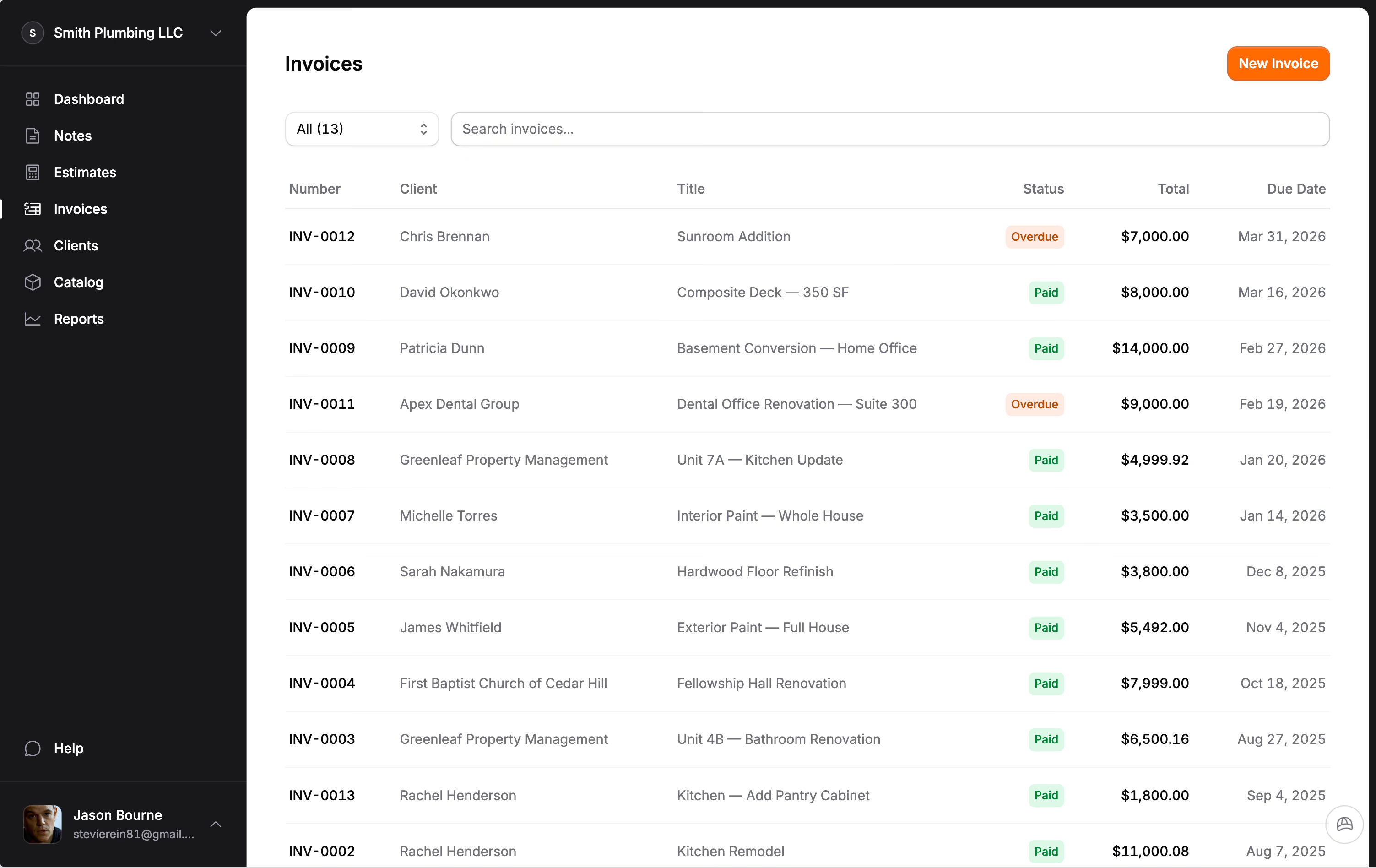
Fence jobs usually take a deposit for materials and the balance at completion. Put both on one invoice with a payment schedule, each row named and dated. Payments fill the rows in order and the last row is always the balance. The homeowner pays by card or bank transfer from the invoice link; Stripe charges its standard rate and Jobkore adds nothing.
When the auger hits rock or a buried slab, write a change order on the invoice for the extra digging, priced at a rate you put on the original estimate. The homeowner signs it online and the total moves to include it. Late payments get reminders at 1, 7 and 14 days.
For wood fences, say when staining or sealing should happen (pressure-treated lumber needs time to dry) and price it as a separate visit, so the homeowner is not surprised when the fence goes gray.
Hank knows the fencing traps.
Jobkore includes Hank AI™, an assistant that knows the trade you picked at signup. Tell him the job by typing or with a voice memo: 180 feet of 6-foot cedar privacy, three corners, one 4-foot walk gate and one 10-foot double drive gate, tear out the old chain link, yard slopes toward the back, freeze zone. He drafts the estimate with the run, posts, gates and tear-out, priced from your catalog first, with the usual waste.
Turn on a review before sending and he checks it against a fencing list: linear feet with no corner, end or gate posts, posts above the frost line, no HOA approval noted, pool fencing without the code items, wood with no stain plan. He can add the missing line and never changes your prices in a review.
Jobkore does not do scheduling or dispatch. It does estimates, change orders, invoices and payments, in English or Spanish. Related trades: decking, landscaping and handyman. See the pricing page.
Common questions.
Ready to get after it?
Stop fighting your software. Start running your business.
Try for free14-day free trial. No credit card required.