Carpentry estimates and invoices, priced the way carpenters measure.
Trim by the linear foot, framing by the day or the square foot, doors by the opening, and the waste counted before you cut. For solo carpenters and small crews.
Price each piece of work in its own unit.
Carpentry estimate software is only useful if it prices the work the way carpenters actually measure it, and carpenters use half a dozen units on a single job. Baseboard, casing and crown by the linear foot. Custom work and hardwood by the board foot. Doors and windows by the opening. Framing by the square foot, or a crew by the day.
In Jobkore every line carries its own unit, so one estimate can hold all of them: 240 linear feet of base, 14 interior doors at so much each, two days of framing for the basement walls, a built-in bookcase by the linear foot. The totals add themselves up and the client sees what each part costs.
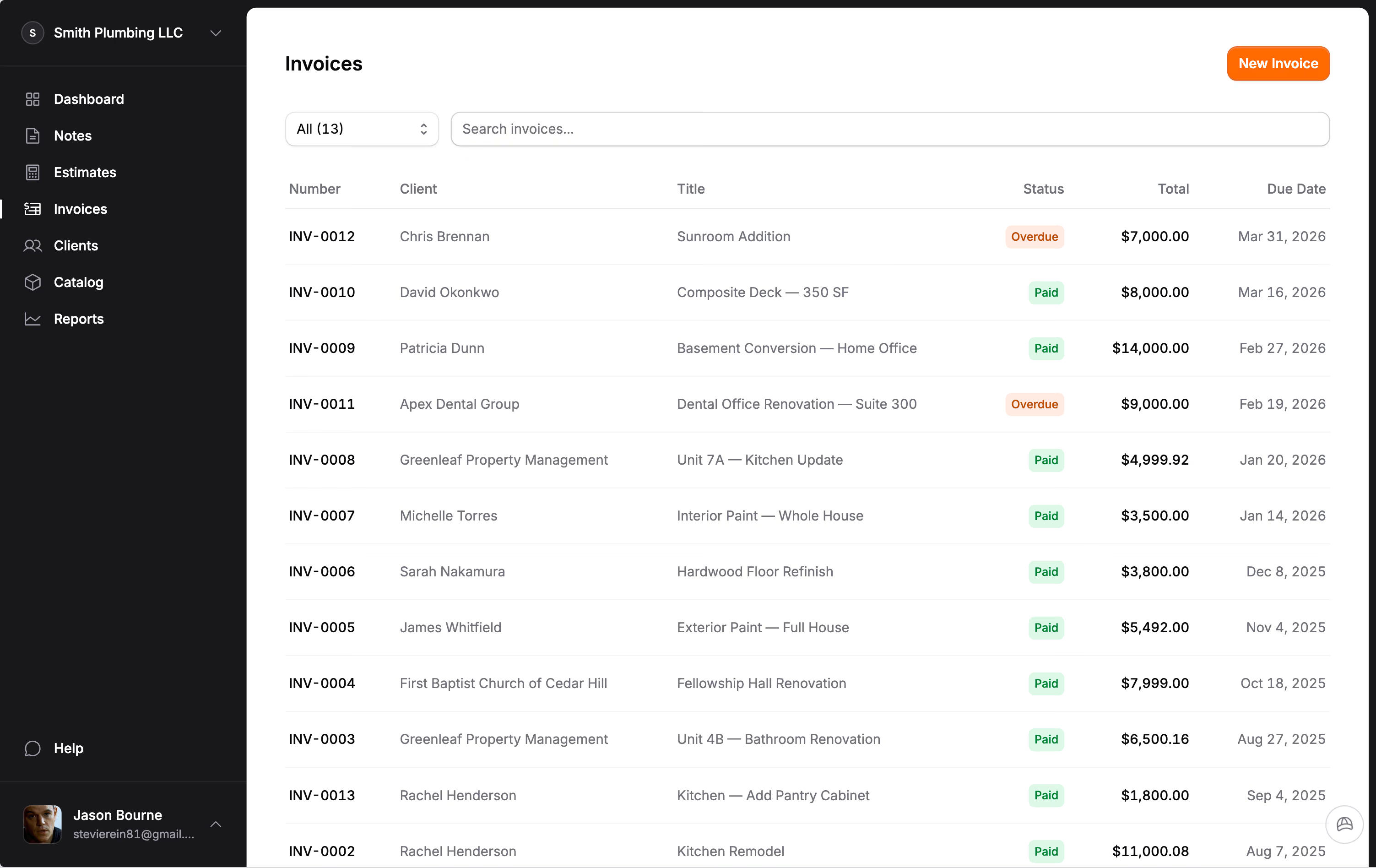
When you set up your price list, Jobkore recommends the trade pack for the trade you picked at signup, and you can load items from any pack. The General Contractor pack carries interior and exterior wall framing by the linear foot, headers, blocking, interior and exterior door installs, baseboard, crown and window casing. Change the prices to yours and they are ready for every estimate.
Count the waste and name the material.
A trim package priced by the linear foot without waste is a trim package you lose money on. Complex trim with miters and returns can run 15 percent waste, exterior trim around 12, framing lumber about 10 and sheathing about 8. Build it into the quantity or state it as its own line so the client sees it.
Then name the material. Number 1 versus number 2 SPF, clear pine versus finger-joint, select versus common, pressure-treated for anything touching the ground. A bid that says "trim" gets compared to a bid for cheaper trim. A bid that says what you are using gets compared on quality.
The small lines matter too. Back-priming exterior trim on all six sides. Structural hardware called out by model on framing work, because the inspector will check it against the plan. Shims, scribe and filler strips on cabinet and door installs, which can add a quarter or more to the bare install price.
Old houses: out of square, and sometimes lead paint.
The client's real question is whether you can build what is in their head to a standard they would point at. In an old house that means dealing with walls that are out of plumb and floors that are out of level, and the scribing and shimming take time. Put it on the estimate as labor rather than hoping it fits.
Removing old trim can also trigger federal lead rules. In a home built before 1978, the EPA renovation rule applies once paid work disturbs more than six square feet of painted surface inside or 20 outside, which a room of casing and baseboard can pass. Certified work practices cost time and material; give them their own line.
Photos help here: up to 20 on the document and 6 on a single line. A photo of the gap at the out-of-square corner beside the scribe line explains the price better than a paragraph.
Homeowner jobs and GC jobs pay differently.
Working directly for a homeowner usually means a deposit to cover materials and the balance at completion. Working as a subcontractor for a general contractor usually means an invoice with net terms, and sometimes a portion held back until the job is finished. Jobkore handles both with a payment schedule on one invoice: named rows with their own due dates, such as "Deposit," "Framing complete" and "Held until final," filled in order, with the last row always the balance.
The client pays by card or bank transfer from the invoice link, or you record a check. Stripe charges its standard rate and Jobkore adds nothing on top. Late payments get reminders at 1, 7 and 14 days.
If you hire other trades on your own jobs, record each subcontractor on the project with what you agreed and what you have paid. Their name and cost never reach the client.
Change orders when the plan meets the house.
The client decides the built-in should be two feet wider, or the wall you were trimming turns out to need new framing behind it. Write a change order on the invoice with its own lines and price. The client signs it online, and the invoice total moves to include it.
Do it before you do the work. A change that is priced and signed is billable; a change that was "just a little extra" usually is not. Where the finish is someone else's, say so on the estimate: whether you leave it ready for paint or paint it yourself, and who patches the drywall where new trim meets an old wall.
More on setting a rate that covers your real costs.
Hank knows the carpentry traps.
Jobkore includes Hank AI™, an assistant that knows the trade you picked at signup. Tell him the job by typing or with a voice memo: case 11 windows and 9 doors in paint-grade poplar, 320 feet of 5-1/4 base, crown in the living and dining rooms, house built in 1958. He drafts the estimate with the quantities, priced from your catalog first, with the usual waste on trim.
Turn on a review before sending and he checks it against a carpenter's list: trim priced without miter waste, exterior trim with no back-priming, structural work without hardware called out, an install missing its shims and fillers. He can add the missing line and never changes your prices in a review.
Jobkore does not do takeoff from plans or cut lists. It does estimates, change orders, invoices and payments, on your phone, in English or Spanish. Related trades: cabinetry, decking and general contractor. See the pricing page.
Common questions.
Ready to get after it?
Stop fighting your software. Start running your business.
Try for free14-day free trial. No credit card required.