Cabinetry & Millwork
Quotes that show the boxes and the install separately. Deposit at order, balance at install. Lead times the client cannot say they never heard.
You are a shop and a crew, and the paperwork has to cover both.
Mornings in the shop, afternoons on a field measure, and somewhere in between a homeowner wants to know why the kitchen is nine weeks out. You are not billing labor by the hour — you are selling a built product with a delivery date attached, and the paperwork has to say so.
Jobkore runs from the phone in your shop apron. Measure in the morning, price it at the bench, send it before the client has called twice.
The extras are 30% of the install. Put them on their own lines.
Fillers, scribe, toe kick, crown, light rail, finished ends — quote a flat per-foot rate and every one of them comes out of your margin. Build the estimate in sections so the boxes, the install, and the trim each carry their own line items.
The client sees what the upgrade actually costs. You stop eating the difference on work you never priced.
Lead time in writing, measured from the day you can actually start.
Custom runs six to sixteen weeks, and the clock does not start at handshake — it starts when the deposit clears and the shop drawings come back approved. Put that on the estimate in the terms, not in a text message four weeks later.
When the client asks where the kitchen is, you send them the document they already signed.
Deposit at order. Balance when the boxes are set.
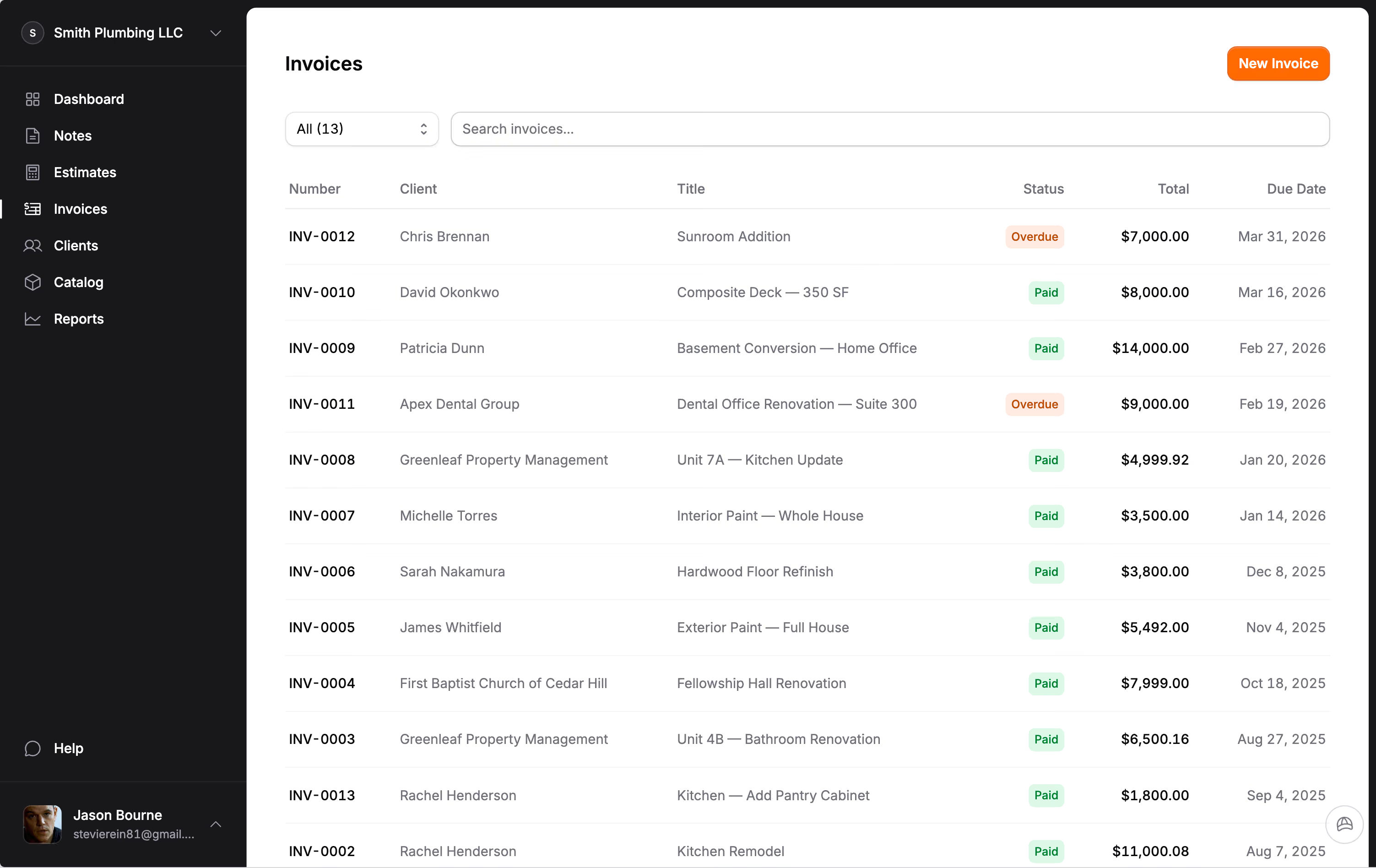
You bought the material before you saw a dollar. Bill the deposit against the accepted estimate, then invoice the balance when the install is complete. Every invoice pulls from the same estimate, so the math stays clean and you always know what is outstanding — before you release another job to the floor.
Change orders after the drawings are approved.
The client tours the shop, sees the door style in person, and wants a different profile. That is a change order, not a favor. Write it against the original estimate with the scope, the price, and the new date. Once a job hits production, "small change" has a cost, and the paperwork should say what it is before the sheet goods get cut.
Hank AI™ turns the field measure into a structured quote.
You walked the kitchen, noted the runs, photographed the existing conditions, and wrote down what the client asked for. Hand those notes to Hank AI™ and the estimate comes back laid out in sections — boxes, install, trim, countertop, tear-out. Your pricing goes on top.
Hank never invents quantities, rates, or margins. It organizes what you measured.
Paid by card. No platform fee from us.
The invoice goes out with a payment link. The client pays by card or bank transfer. Stripe processes at their standard rate. Jobkore adds nothing on top.
Common questions.
Ready to get after it?
Stop fighting your software. Start running your business.
Try for free14-day free trial. No credit card required.