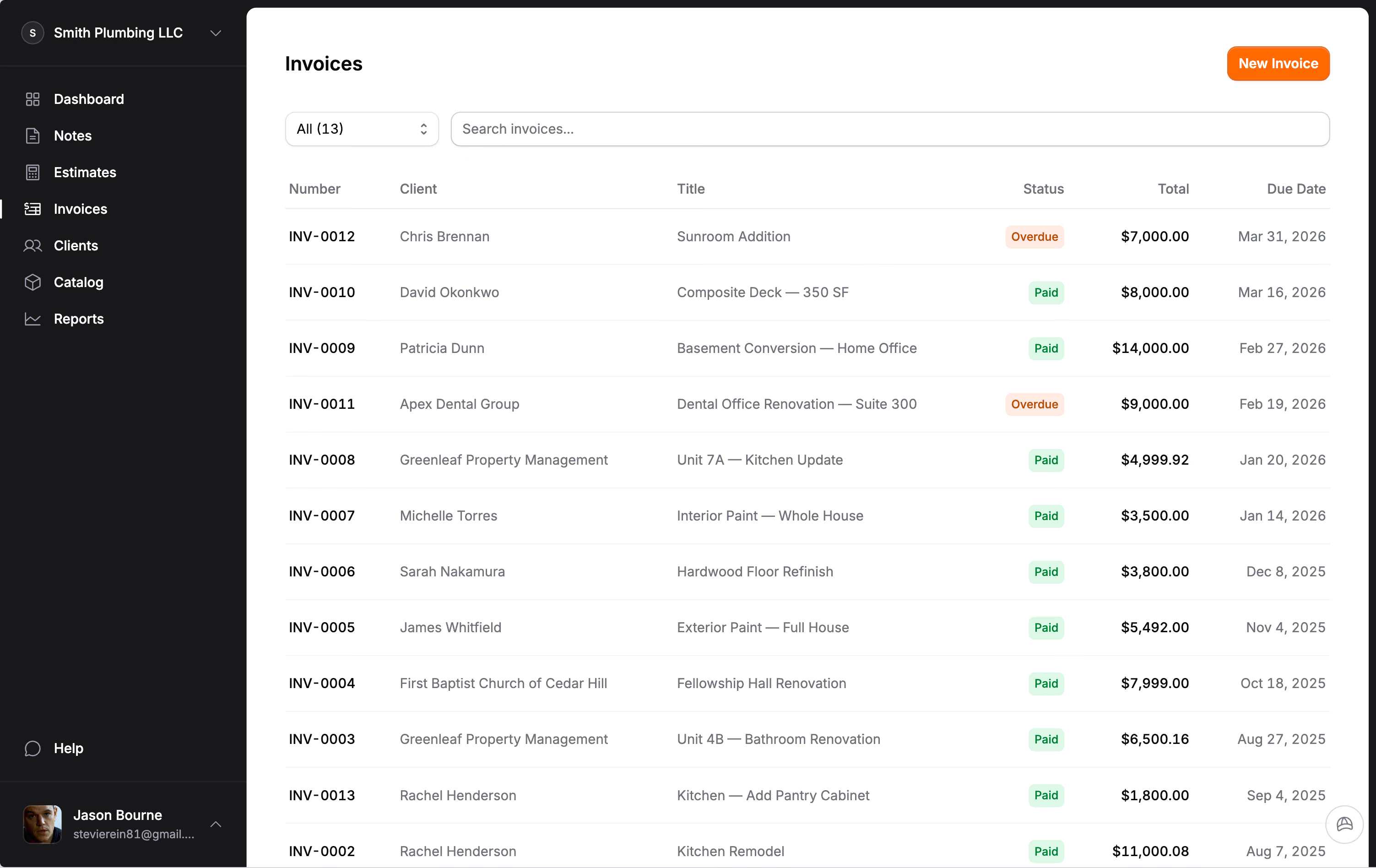
Window and door estimates and invoices, with the install spelled out.
Price by the opening, show the flashing and trim that make the install last, and bill the deposit on custom units before you order. For small window and door installers.
Price by the opening, and say insert or full-frame.
Window and door estimate software starts with the opening. Each window or door is a line, priced each, with the unit, the size and the install type named. That last part matters more than homeowners realize: an insert keeps the existing frame, costs less and cannot change the opening size, while a full-frame replacement goes to the studs, costs more and fixes a damaged frame. They are different products, different prices and different scopes.
Measure the rough opening at the framing, not the old window frame, which may be out of square. Put the measurements and the install type on the estimate, and the homeowner is comparing like with like when the next bid comes in cheaper.
Load the Windows, Doors & Garage trade pack and your catalog starts with vinyl double-hung and picture window replacements, new-construction windows, sliding glass, French, entry, storm and interior doors, window trim and casing, screens and weatherstripping. Change the national-average prices to yours once, and every estimate starts from your numbers.
The install is what leaks, so put it on the page.
The homeowner's real question is whether the new windows will actually seal, and whether the install is as good as the window. The answer is in the lines most bids leave off. A sill pan, jamb flashing and head flashing to the manufacturer's instructions. The house wrap lapped correctly at the head so water drains out, not in. Low-expansion foam rated for windows and doors, not the high-expansion kind that bows a frame and binds the sash.
Then the finish. Interior casing reinstalled or replaced. Exterior trim, brickmold or aluminum capping matched to the house. Paint touch-up, or a clear note that it goes to the painter. For exterior doors, new weatherstripping, threshold and sweep, and whether the jamb is reused or the door comes pre-hung.
Each of those is a line in Jobkore, so the homeowner sees what the install includes and you are not doing it for free. Hardware is often better as an allowance: a homeowner who picks a $400 lockset should see that it was not in the base price.
Code items that get red-tagged.
Two code requirements cost installers the most when they are missed. Tempered glass is required in hazardous locations, such as near a door, low to the floor, and near a tub or shower. Order a standard unit for one of those openings and you buy the window twice. Bedroom windows have to meet egress size and sill height, and replacing an egress window with a smaller insert can fail an inspection or a resale.
Note both on the estimate where they apply, along with the permit line for new openings, egress changes and exterior door replacements that your jurisdiction permits. It shows the homeowner you checked, and it protects you when the inspector does.
Energy performance is worth a line too: the U-factor and solar heat gain for your climate zone. Note that the federal 25C credit for qualifying windows and doors ended for property placed in service after December 31, 2025, so a 2026 quote should not promise it.
Window replacement in a pre-1978 house is always covered.
For most renovation work, the EPA's lead rule has a small-job exemption. Window replacement does not get it. The EPA says window replacement is always covered regardless of square footage in pre-1978 homes, which means a certified firm and lead-safe work practices on every one.
That takes containment, cleanup and time. Give it its own line on the estimate for any house built before 1978, so the homeowner understands the cost and you are not absorbing it. Old windows also go out separately from general debris, so price the haul-off as its own line.
Photos help: up to 20 on the document and 6 on a single line. A photo of the rotted sill or the fogged glass beside the line that replaces it answers the "do we really need this one" question.
Deposit at order, balance at install.
Custom windows and doors are ordered to size and usually cannot be returned, so installers take a deposit before ordering and the balance at install. Put both on one invoice with a payment schedule, each row named and dated. Payments fill the rows in order and the last row is always the balance. The homeowner pays by card or bank transfer from the invoice link; Stripe charges its standard rate and Jobkore adds nothing.
Check your state before setting the deposit. California, for one, caps a home improvement down payment at $1,000 or 10 percent of the contract, whichever is less, so a large deposit there has to wait for delivery. State the lead time and when it starts, usually from the deposit and the final measure. More on the terms worth putting on an estimate.
If a frame turns out rotted once the old unit is out, add a change order to the invoice for the framing repair. The homeowner signs it online and the total moves to include it.
Hank knows what a window bid misses.
Jobkore includes Hank AI™, an assistant that knows the trade you picked at signup. Tell him the job by typing or with a voice memo: 12 vinyl double-hung inserts, two bedroom egress windows, a patio slider, new exterior capping, house built in 1972. He drafts the estimate with a line per opening and the install lines, priced from your catalog first, with the usual waste on trim and flashing.
Turn on a review before sending and he checks it against a window and door list: no flashing detail, missing tempered glass where it is required, egress not checked on a bedroom, interior trim and exterior capping left out, hardware bundled into a door price. He can add the missing line or an allowance and never changes your prices in a review.
Jobkore does not do measuring apps, manufacturer ordering, financing or scheduling. It does the estimate, the change orders, the invoice and the payments, in English or Spanish. Related trades: siding and gutters, garage doors and carpentry. See the pricing page.
Common questions.
Ready to get after it?
Stop fighting your software. Start running your business.
Try for free14-day free trial. No credit card required.