Irrigation estimates and invoices, zone by zone.
Price heads, valves, pipe and wire zone by zone, put the backflow and the rain sensor on the page, and bill spring startups and fall blowouts. For small irrigation crews.
Price the system zone by zone.
Irrigation contractor software has to price a system the way you design it: zone by zone. Each zone is a section with its valve, its heads or drip line, the lateral pipe and the trenching. The mainline, the controller, the backflow preventer and the wire run are their own lines. The homeowner sees what each part of the yard costs and why a big lawn is more than a strip of beds.
In Jobkore every line has its own unit: heads and valves each, pipe, drip tubing, wire and trenching by the linear foot, the controller and backflow each, labor by the hour for service calls. Count the waste in the quantity, around 10 percent on poly pipe and drip tubing and closer to 15 on wire.
Load the Outdoor & Grounds trade pack and your catalog starts with irrigation system installs, sprinkler head replacement and French drains, alongside the lawn and landscape lines. Change the prices to yours once, and add your own head, valve and controller lines, and every estimate starts from your numbers.
Design to the water you actually have.
The homeowner's real question is whether it will water what needs watering without soaking the driveway. The answer starts with the supply. Measure the available flow and pressure at the connection and size each zone to it; a zone that asks for more gallons per minute than the house can give will not pop its heads or cover its area.
Then the layout. Head-to-head coverage in every spray and rotor zone, so there are no dry rings. Never mix rotors and sprays on one valve, since they put down water at very different rates. Keep drip on its own zones. Regulate pressure at the heads or the drip zone where the supply runs high. On larger systems, a master valve and flow sensor can shut the system off when a pipe breaks.
Put the design basis on the estimate: the measured flow and pressure, and the zone count that comes from them. It is the difference between a system and a pile of heads.
Backflow, sensors and the rules that come with them.
A backflow preventer at the point of connection protects the drinking water, and most jurisdictions require one, often with a permit and a test. Put it on the estimate as its own line.
Many states also require a way to stop watering when it rains. In Florida, for example, state law requires automatic irrigation systems to have technology that interrupts them during sufficient moisture, and a licensed contractor working on a system must test that device and install or repair it if it is missing or broken, before completing other work. Check your state, and price the rain or soil moisture sensor accordingly.
A smart controller that adjusts to the weather is a line worth offering too, and in some areas it qualifies for a water utility rebate.
Repairs, redesigns and restoring the lawn.
Some repair calls are really redesigns. When a zone never worked because the original system was undersized, patching a head will not fix it. Say so on the estimate, and price the zone that works rather than the repair that will not.
Every install disturbs the lawn, so restoration is a line: reseed, plugs or fresh sod along the trenches. Call 811 before trenching, and ask about private lines the locate will not mark. At the end, an as-built map of valve boxes, mainline routes and wire splices is worth including, because it is what the next service call needs.
When you open a trench and find an old mainline in the way, or the homeowner adds a zone for a new bed, write a change order on the invoice. They sign it online and the invoice total moves to include it.
Startups, blowouts and service calls.
In freeze zones, spring startup and fall winterization are the backbone of the service side. Price each as its own line and invoice it when you do it; Jobkore does not bill seasonal services automatically, but each visit is a quick invoice with a payment link, and the customer pays by card or bank transfer on their phone. If you do not winterize the system you installed, say so on the estimate so the homeowner does not find out in spring.
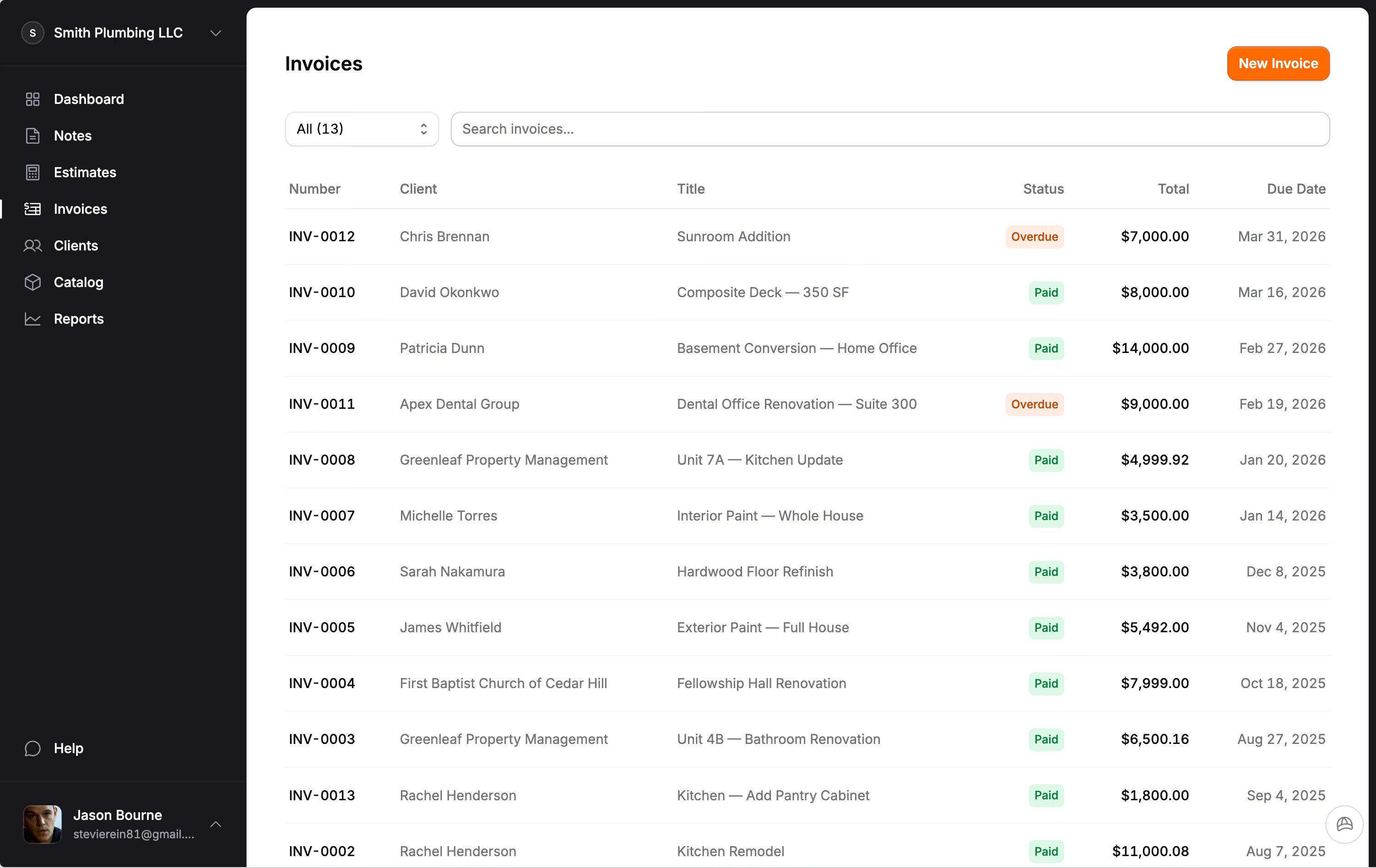
Install jobs usually pay a deposit and the balance at completion. Put both on one invoice with a payment schedule, each row named and dated. Payments fill the rows in order and the last row is always the balance.
Stripe charges its standard rate and Jobkore adds nothing. Late payments get reminders at 1, 7 and 14 days. More on keeping track of who has paid.
Hank knows the irrigation traps.
Jobkore includes Hank AI™, an assistant that knows the trade you picked at signup. Tell him the job by typing or with a voice memo: new system for a quarter-acre lot, front and back lawns, three beds on drip, 12 gallons per minute at 60 PSI, city water, freeze zone. He drafts the estimate zone by zone, priced from your catalog first, with the usual waste on pipe and wire.
Turn on a review before sending and he checks it against an irrigation list: a zone that exceeds the available flow, rotors and sprays on the same valve, no backflow, no rain sensor, no winterization plan in a freeze zone. He can add the missing line and never changes your prices in a review.
Jobkore does not do hydraulic design, route scheduling or recurring billing. It does estimates, change orders, invoices and payments, in English or Spanish. Related trades: landscaping, lawn care and plumbing. See the pricing page.
Common questions.
Ready to get after it?
Stop fighting your software. Start running your business.
Try for free14-day free trial. No credit card required.