Landscaping estimates and invoices, plant by plant and yard by yard.
List every plant by species and size, price hardscape and mulch by the square foot and the yard, and put drainage on the page before anything goes in the ground. For small landscaping crews.
List the plants, not "plants and shrubs."
Landscaping estimate software earns its keep on the plant list. "Plants and shrubs" is how a homeowner expects mature shrubs and gets one-gallon pots. List each plant by species, size (gallons for shrubs, caliper inches for trees) and quantity, and the homeowner knows exactly what goes in the ground.
In Jobkore every line has its own unit. Plants each, mulch and topsoil by the cubic yard with the depth named, sod and pavers by the square foot, edging and drains by the linear foot, design time by the hour. Count the waste: around 10 percent on mulch, topsoil and pavers, and about 5 on sod.
Load the Outdoor & Grounds trade pack and your catalog starts with sod, mulch by the yard, paver patios, block retaining walls, French drains, irrigation installs, shrub trimming and landscape design by the hour. Change the national-average prices to yours once, and every estimate starts from your numbers.
Drainage and soil come before the first plant.
The homeowner's real question is whether it will still look good next summer, or whether it is a one-season photo. Most of the answer is below the mulch. On a sloped yard, water has to go somewhere before anything is planted: a French drain, a swale, a catch basin, a pop-up emitter. Skip it and the first big rain washes the new bed onto the patio.
Soil prep is its own line, specified by what is being planted: topsoil import, compost and till depth, not a flat "bed prep." Keep downspouts and gutter outlets clear of new beds, because mulching over one is how you get a flooded basement call.
A new bed needs water. Either price drip or sprinkler zones into the job, or say on the estimate that irrigation is coordinated with another contractor, so it is not the thing nobody did.
Hardscape, lighting and access.
Pavers and walls fail from the base up. A paver patio needs compacted crushed stone and a sand setting bed under it; a retaining wall needs a base sized to the wall, and walls over about 4 feet usually need an engineered design and a permit. Put the base on the estimate as its own line so the homeowner is not comparing your patio with one built on dirt.
Low-voltage lighting is priced per fixture, with a transformer sized for the total load. Edging is named per bed: metal, plastic, stone or a spade-cut edge.
Then access. If the skid steer cannot reach the backyard, everything is carried by hand and the labor can triple. Say how material gets in on the estimate. Call 811 before digging for footings, drains or deep planting holes.
Warranty, touch-ups and the HOA.
Write the plant warranty on the estimate: commonly a year on trees and shrubs, and none on annuals and perennials, with the watering that the warranty depends on. Otherwise the call about a dead tree comes a year later with the expectation of a free replacement.
A touch-up visit six to eight weeks after install, to top off mulch, reset settled plants and replace anything that did not take, is a line that builds trust and repeat work. If the homeowner is in an HOA, note who submits the plan for approval and when.
Photos help: up to 20 on the document and 6 on a single line. A before photo of the washed-out bed beside the drainage line explains why it is on the estimate. More on presenting a big estimate.
Design fee, deposit, progress and completion.
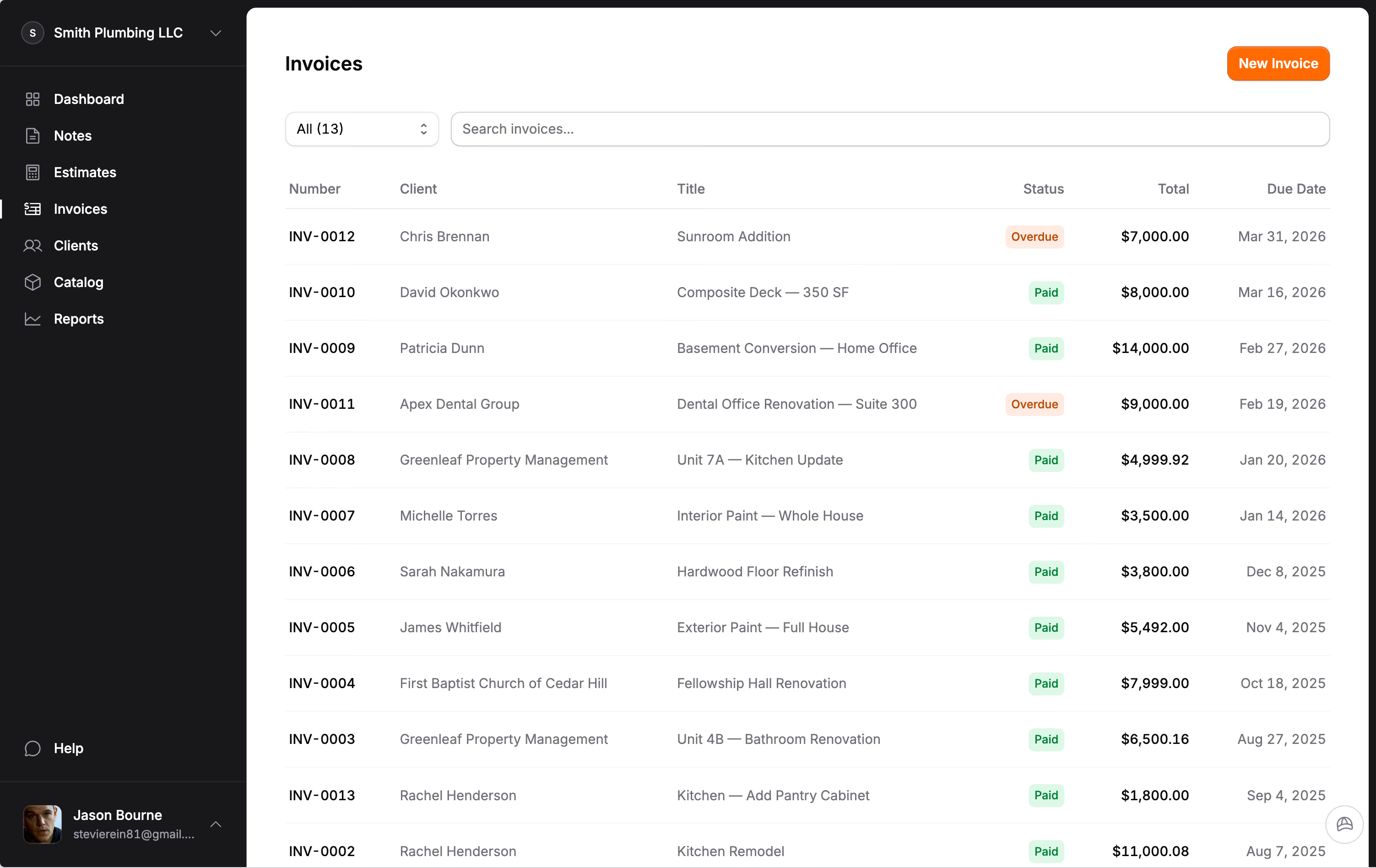
Landscape installs often start with a design fee by the hour, then a deposit when the homeowner signs, progress payments on bigger jobs and the balance at completion. Put them on one invoice with a payment schedule, each row named and dated in the order the money comes in. Payments fill the rows in order and the last row is always the balance.
The homeowner pays by card or bank transfer from the invoice link. Stripe charges its standard rate and Jobkore adds nothing on top, and late payments get reminders at 1, 7 and 14 days. Jobkore does not bill maintenance on a schedule automatically; each maintenance visit is its own quick invoice.
When the homeowner adds a bed or upgrades the patio mid-job, write a change order on the invoice. They sign it online and the total moves to include it.
Hank knows the landscaping traps.
Jobkore includes Hank AI™, an assistant that knows the trade you picked at signup. Tell him the job by typing or with a voice memo: front yard redo, remove old shrubs and lawn along the house, new beds with 12 shrubs and two 2-inch caliper trees, a 300 square foot paver walk, drip irrigation, sloped toward the house. He drafts the estimate by area, priced from your catalog first, with the usual waste.
Turn on a review before sending and he checks it against a landscaping list: plants priced by the bed instead of by species and size, no drainage on a slope, an undersized wall base, no plant warranty language, no plan for access. He can add the missing line and never changes your prices in a review.
Jobkore does not do landscape design renderings, route scheduling or recurring billing. It does estimates, change orders, invoices and payments, in English or Spanish. Related trades: lawn care, irrigation and tree care. See the pricing page.
Common questions.
Ready to get after it?
Stop fighting your software. Start running your business.
Try for free14-day free trial. No credit card required.